2nd Grade Silent E Worksheet
Add a silent e to change short-vowel words into long-vowel words, then read each new word.
- Centers
- Homework
- Intervention
- Review
Download the Free Printable PDF
No sign-up required. Clean, low-ink US Letter format.
- Grade
- 2nd Grade
- Subject
- Phonics
- Skill
- Phonics
- Topic
- silent e (magic e)
- Difficulty
- Standard
- Time
- 12 minutes
- Pages
- 2 (incl. answer key)
- Format
- Printable PDF (US Letter)
- Answer key
- Included
- Best for
- centers, homework, intervention, review
Worksheet details
What This Worksheet Practices
Students will add a silent e to short-vowel words to make long-vowel words and read the new words.
- The silent e (magic e) spelling pattern
- Hearing short vs long vowel sounds
- Reading and writing CVCe words
Inside This Printable
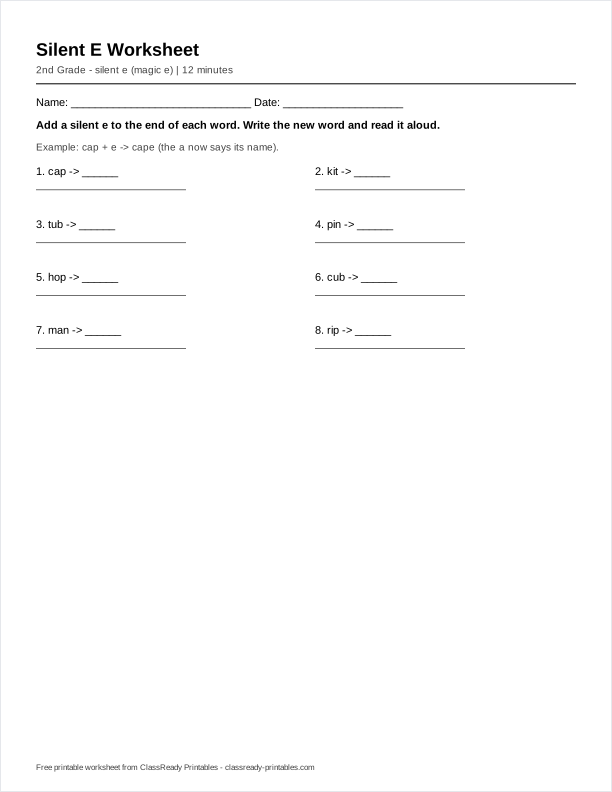
Student directions: Add a silent e to the end of each word. Write the new word and read it aloud.
Worked example
cap + e → <strong>cape</strong> (the a now says its name).
Sample questions
- cap → ______
- kit → ______
- tub → ______
The PDF contains 8 practice questions plus 2 challenge questions.
Worksheet Preview
How silent e works
The “silent e” or “magic e” pattern is one of the highest-value spelling patterns in early reading.
When an e is added to the end of a short-vowel word like cap, the e stays silent but the first
vowel changes to its long sound: cap becomes cape. Learning this single rule unlocks a large set
of words.
The pattern
| Short word | + silent e | Vowel change |
|---|---|---|
| cap | cape | a (short) → ā (long) |
| kit | kite | i → ī |
| hop | hope | o → ō |
| cut | cute | u → ū |
The magic rule
Vowel-Consonant-e: the first vowel says its name (long sound), and the e is silent. cap → cape: the a says “ay” and the e stays quiet.
How to solve each item
Have students read both words out loud for each problem — the short-vowel word and the new silent-e word. Hearing the vowel change (cap → cape) is what makes the pattern stick. The two most common mistakes are pronouncing the final e, and keeping the short vowel sound after adding the e; reading aloud catches both.
Guided practice (try before the worksheet)
- tap → t__e → tape
- fin → f__e → fine
- rob → r__e → robe
- tub → t__e → tube
Why it matters
The silent-e rule flips short-vowel words into long-vowel words — hundreds of common words. Knowing it instantly makes decoding and spelling faster and more accurate.
How to use this page
This page works well in a phonics center, as quick homework, or as part of a reading intervention block.
👩🏫 Teacher note
A great small-group or center activity. Have students read both words aloud to hear the vowel change.
🏠 Parent note
Point out that the e at the end is silent but it makes the first vowel say its name.
Common Mistakes to Watch For
- Pronouncing the silent e
- Keeping the short vowel sound after adding e
Answer Key
The answer key lists each new word after adding silent e.
⬇ Download Answer Key (PDF)Learn this skill first
Take the free lesson on phonics — worked examples and practice exercises, then come back to this worksheet.
Related Worksheets
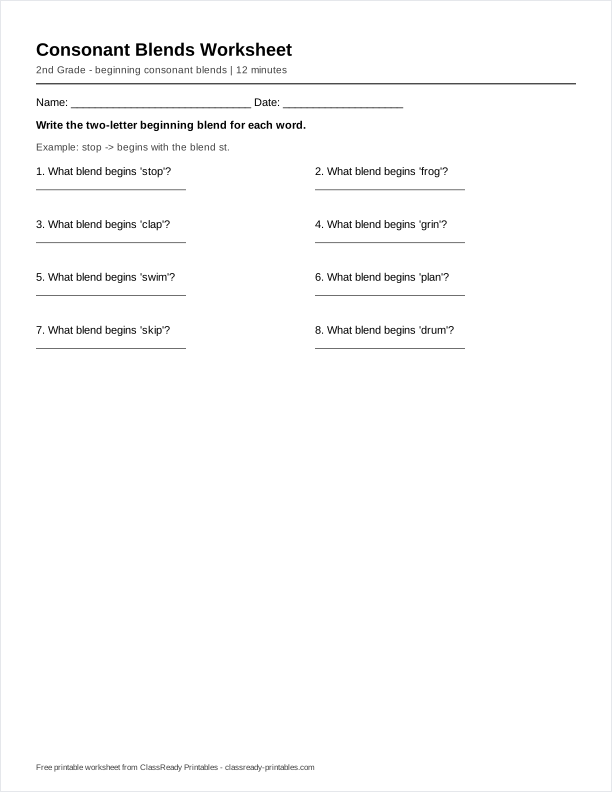
Consonant Blends Worksheet
Say each word and write the two-letter blend it begins with — like st in stop or fr in frog.
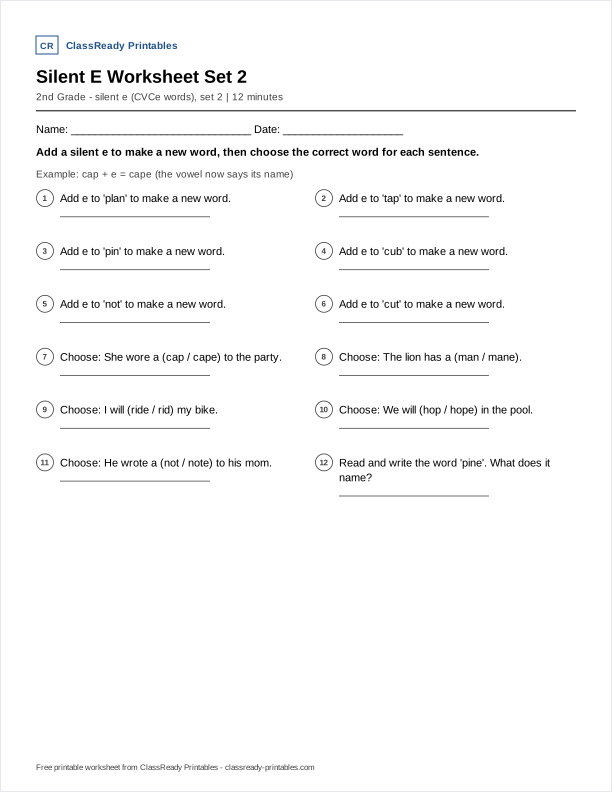
Silent E Worksheet Set 2
A silent e at the end makes the vowel say its name: cap → cape, tap → tape. Add e or choose the right word.
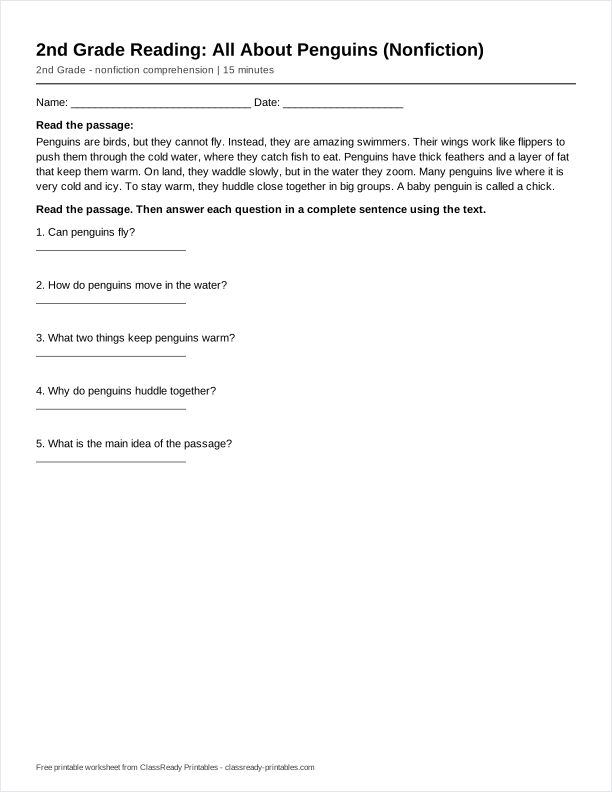
2nd Grade Reading: All About Penguins (Nonfiction)
Read an informational passage about penguins and answer detail and main-idea questions.
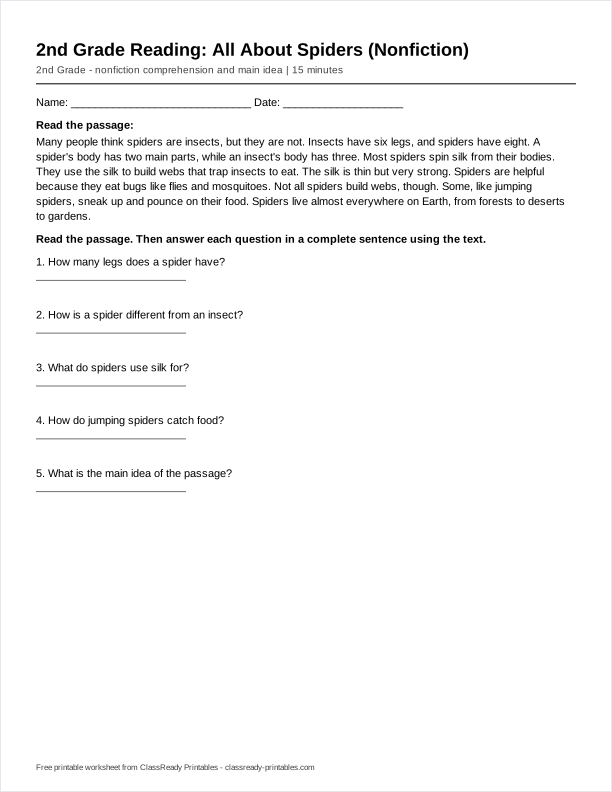
2nd Grade Reading: All About Spiders (Nonfiction)
Read an informational passage about spiders and answer detail and main-idea questions.
Frequently Asked Questions
Is this worksheet free to download?
Yes. You can download and print this worksheet for free, with no sign-up required.
Does it come with an answer key?
Yes — a complete answer key is included.
Original & reviewed. Every worksheet is created in-house from a grade-level skill brief, checked for a correct answer key, and reviewed for grade-appropriateness. Our editorial policy.